
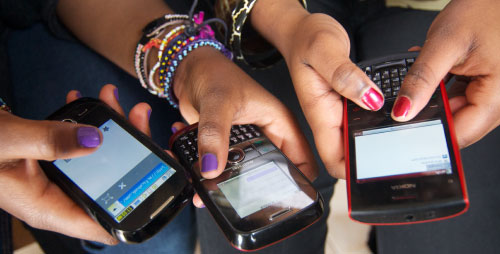
Dar es Salaam, February 2026 – When Rumisho Shikonyi, Country Manager of Watu Tanzania, says smartphones are no longer consumer luxuries, he’s speaking from data that shows one million Tanzanians have chosen to finance these devices as essential tools for their livelihoods.
The milestone, announced this week by Watu Simu, represents more than a corporate achievement—it’s a window into how ordinary Tanzanians are voting with their wallets on what they consider necessary for economic survival in 2026.
The Numbers Tell a Story
Tanzania now has 107 million active SIM subscriptions, according to the Tanzania Communications Regulatory Authority’s December 2025 report. But here’s the catch: only 41.82% of these are smartphones.
This means over 60 million mobile users are still navigating the digital world with feature phones—devices that can handle calls, SMS messages, and basic USSD transfers, but little more.
“We have built the digital highway, but many are still stuck on the conventional feature phone route,” observes one industry analyst who reviewed the TCRA data.
This digital paradox sits at the heart of Watu Simu’s growth story. Over the past three years, the company has financed one million smartphones across 26 regions in Tanzania, using a pay-as-you-go model that makes devices accessible to individuals, households, and small businesses who might otherwise be priced out of the smartphone market.
Beyond Communication
The shift from viewing smartphones as status symbols to recognizing them as economic necessities reflects broader changes in how Tanzania’s economy functions.
Today’s smartphone enables:
- Mobile banking, insurance, and investment services
- Access to online marketplaces and e-commerce platforms
- Digital skills training and e-learning opportunities
- E-government services and official portals
- Income-generating opportunities for entrepreneurs and content creators
For boda-boda riders—who form a significant portion of Watu’s customer base—the connection is even more direct. The company’s motorcycle financing business and smartphone financing operations increasingly work in tandem.
“Mobility and connectivity increasingly work together to support income generation,” the company notes in its press statement. “While motorcycles enable movement and access to work, smartphones enable coordination, payments, communication, and access to digital platforms.”
Scale Matters
Reaching one million financed devices positions Watu Simu as more than a niche player. At this scale, the company is supporting what it describes as “a significant share of new and active engagement with Tanzania’s digital economy.”
Licensed and regulated by the Bank of Tanzania, Watu has built operations that span urban centers and regional markets alike. The company emphasizes transparent repayment structures, technology-enabled systems, and local teams across the country as keys to scaling responsibly while maintaining regulatory compliance and customer protection.
The Journey Ahead
Despite the milestone, the data suggests Tanzania’s digital transformation is far from complete. With smartphone penetration at just over 40%, a majority of Tanzanians still lack full access to the digital economy’s benefits and opportunities.
“The digital economy is not a destination in itself; it is an inclusive journey that requires all important stakeholders to be part of,” notes an industry observer familiar with the sector.
Watu Simu’s campaign slogan captures the forward momentum: “Milioni Moja – Tunasonga Mbele Kidigitali” (One Million – We Move Forward Digitally).
As Tanzania approaches five years since Watu began operations, and as Watu Simu marks three years of smartphone financing, the question is no longer whether smartphones are essential to economic participation, but how quickly the country can bridge the gap between the 41.82% who have smartphones and the millions still waiting to join the digital economy.
For the one million Watu Simu customers, that journey is already underway.